|
JULY 2026 |
Think You Need TRT? Do This FirstWhy It's Often Your Habits, Not Low Testosterone, and How to Fix It 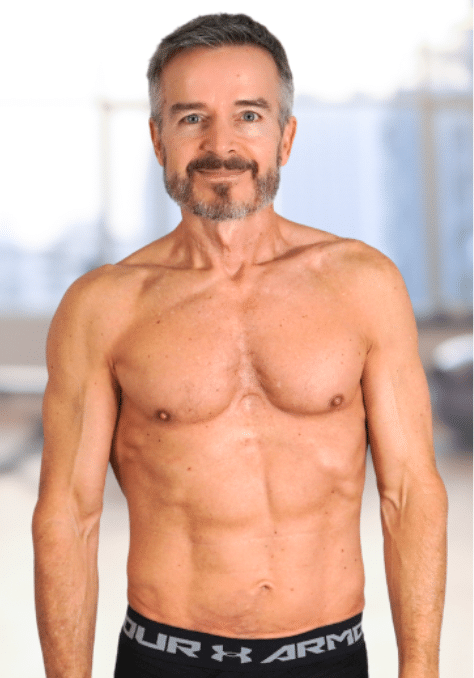
If you don’t have the same energy or strength you had a few years ago, and you’ve been putting on unwanted weight, you might be wondering: Do I have low testosterone? Do I need TRT? Maybe. But after 60, age isn’t the main driver of that decline. Your habits are. Habits that quietly drain your energy, your strength, and your testosterone. And those you can fix. I know what low testosterone feels like. Eight years ago, I was treated for prostate cancer. Part of that treatment was a drug that drove my testosterone to zero. Yes, zero. For eight months, my energy crashed, I gained weight, my strength dropped, and I had no libido. I felt awful. When the drug wore off, I clawed my way back. I lost the fat. I rebuilt my strength. And today, at 65, my testosterone sits right in the normal range for my age, without TRT (Testosterone Replacement Therapy). What got it there, and keeps it there, is a handful of everyday habits. This month, we look at the six most important habits that support natural testosterone production. Plus, we’ll look at how to know if your testosterone is actually low, and how to think clearly about TRT. Joe Burjoski (Age 65) |
Three Habits That Build Testosterone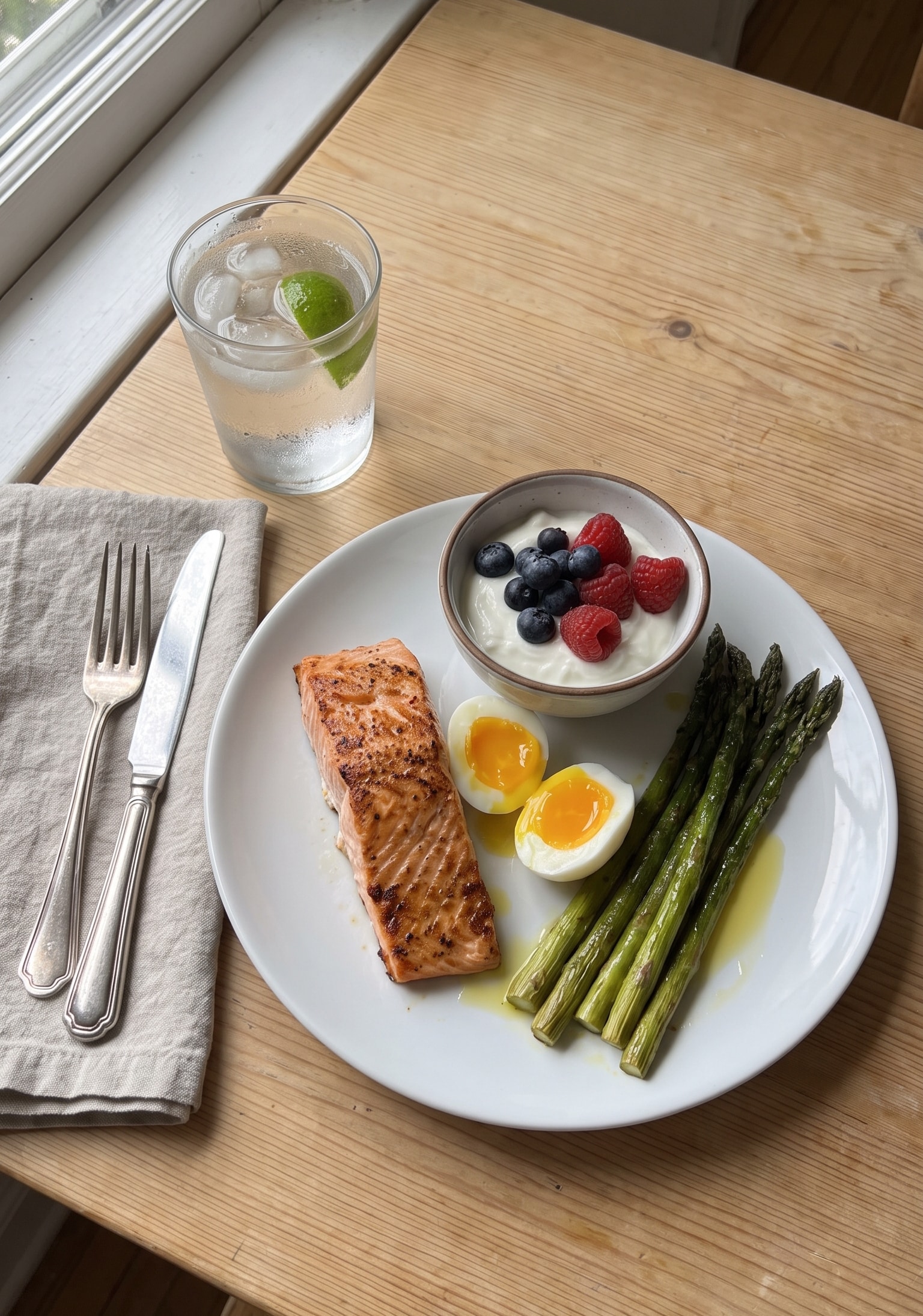
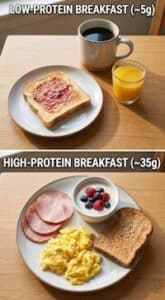
You have to give your body the right conditions to support natural testosterone production, and these three habits do most of that work. Lose Belly Fat: Fat around the middle is strongly linked with lower testosterone. Fat tissue contains an enzyme called aromatase that converts testosterone into estrogen, so the bigger the waist, the more of your testosterone gets converted away. For a lot of men, getting the waist down is the single biggest lever they have. Cut back on sugar and processed food, and add a daily brisk walk. Strength Train: Lifting weights doesn’t magically raise your testosterone. What it does is build muscle, strip belly fat, and improve how your body handles blood sugar. And these are the exact conditions healthy testosterone depends on. Eat Enough Protein: After 60, your body is constantly trying to shed muscle. Enough protein at every meal is how you hold onto it. Aim for a palm-sized serving at every meal: eggs, Greek yogurt, fish, meat, or a protein shake. Deeper dive here: https://www.health.harvard.edu/mens-health/navigating-male-menopause
|
Three Habits That Protect Testosterone
The first three habits build testosterone. These three keep you from wearing it down. Protect Your Sleep: Most of your testosterone is made while you sleep. In one University of Chicago study, healthy young men cut to five hours a night saw their testosterone drop 10 to 15% in a single week, the equivalent of aging 10 to 15 years! Aim for seven to eight hours, with a consistent bedtime and a cool, dark room. Watch the Alcohol: I know this one’s hard. But alcohol is the single habit that drags three others down with it. Alcohol fragments your deep sleep, raises cortisol (the stress hormone), and adds belly fat, all while interfering with testosterone production. I used to have a nightcap most nights. When I cut it, my sleep, energy, and waistline all improved. You don’t have to quit. But if you’re drinking most nights, that’s the first place to look. Reduce the Stress: Chronic stress keeps cortisol elevated, and cortisol works against testosterone on every front. You can’t remove every source of stress, but you can build a relaxing, daily counterbalance: a walk outdoors, ten quiet minutes or time with people who make you laugh. Deeper dive here: https://pmc.ncbi.nlm.nih.gov/articles/PMC4445839
|
Free Guide: Before You Try TRT6 Natural Levers to Support Your Testosterone After 60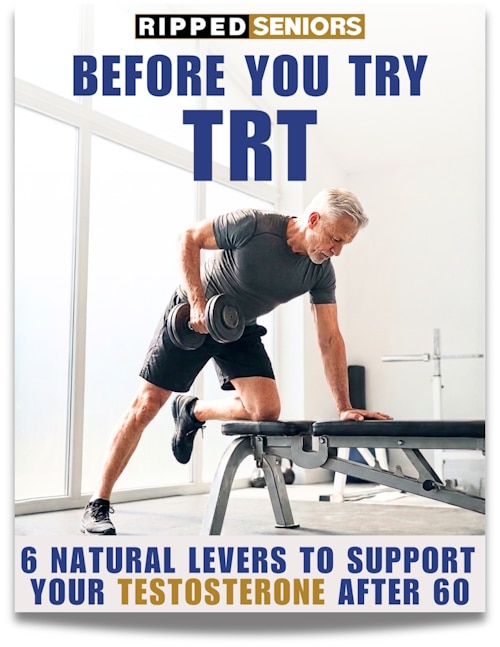
My new free guide gives each of the six habits its own page, with targets, simple action steps, and the research. Plus, how to get properly tested and how to think clearly about TRT if your levels really are low. It’s the same approach that took my own testosterone from zero back into the normal range.
|
Do This Before You Call a TRT Clinic
If you’ve worked on the habits and you still feel off, that’s when it makes sense to check whether your testosterone is genuinely low by getting tested the right way. A word of caution first. The symptoms of low testosterone (fatigue, low drive, brain fog, stubborn belly fat, low mood) overlap with other causes such as poor sleep, stress, depression, thyroid trouble, and medication side effects. Feeling those things doesn’t mean your testosterone is low, but it does call for a proper test. If you get tested, these five things will make it a good one:
For reference, the American Urological Association defines low testosterone as a total level below 300 ng/dL, confirmed on two separate morning tests, and only alongside real symptoms. |
The Temptation I Felt Too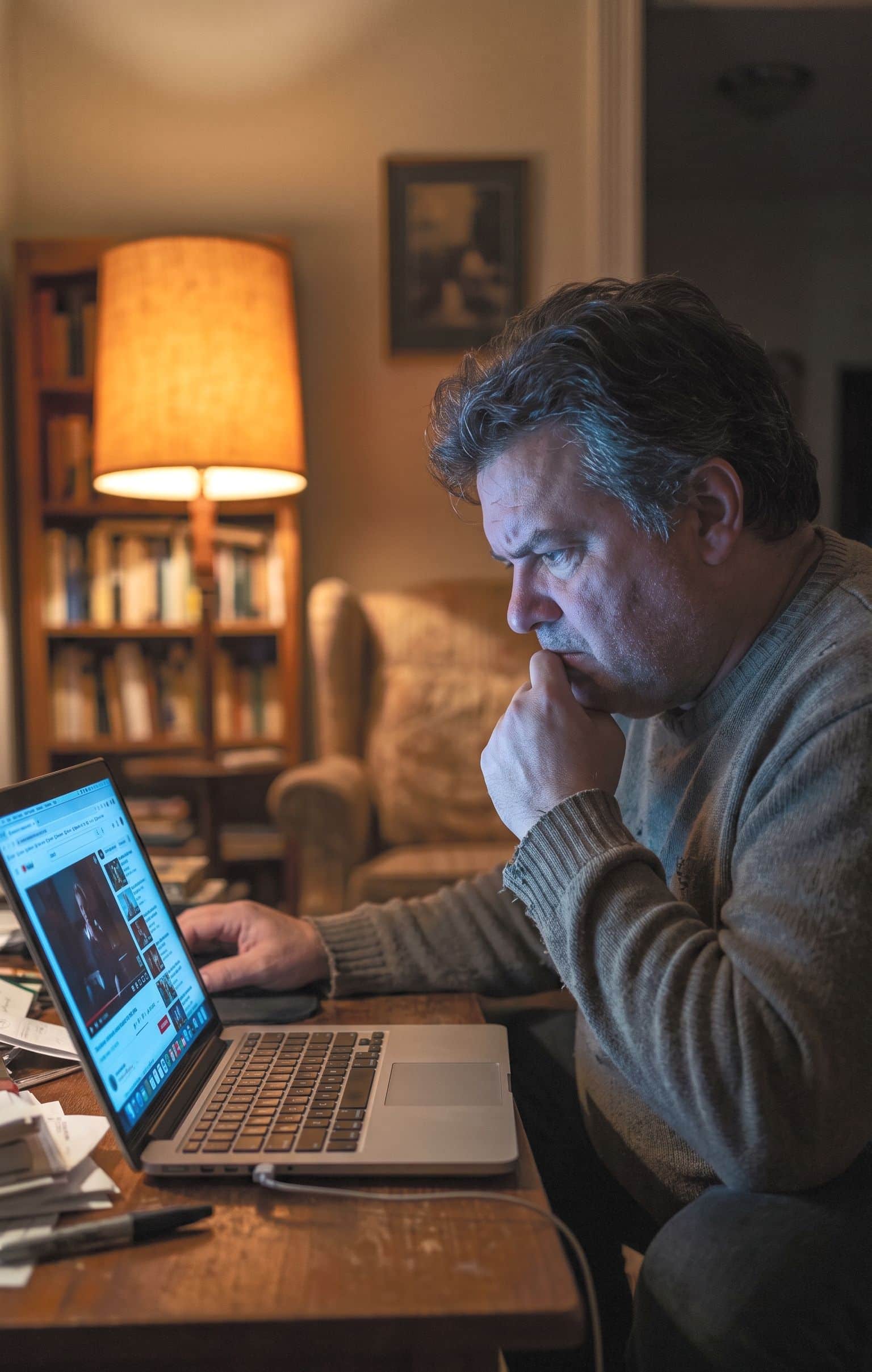
What if your testosterone is already normal, but you’re tempted to push it higher anyway, for the boost in muscle building, energy, mood and libido? You may have seen the videos. A lean, energized man in his 60s saying testosterone supercharged his life. The clinics call it optimization: you don’t need low testosterone, they say; they’ll help push a normal level toward the top. I watched those videos and thought, maybe I should try it. If you’ve felt that pull too, it’s normal. The downside is real. The moment you add testosterone, your body slows its own production. And if you stop, it may not fully return to where it began. A man already in the normal range could be trading a working system for a lifelong commitment — injections, bloodwork, and cost, likely for years. My own oncologist has cleared me for TRT if I ever need it. I’ve chosen not to. I don’t want to depend on a medication for life, or risk being worse off if I stop. If you think your testosterone is low, get tested and talk to your doctor. If it’s normal, start with fixing the habits. |
For More on T-Supporting Habits, Watch These Next
|