|
NOVEMBER 2025 |
The Power of Protein After 60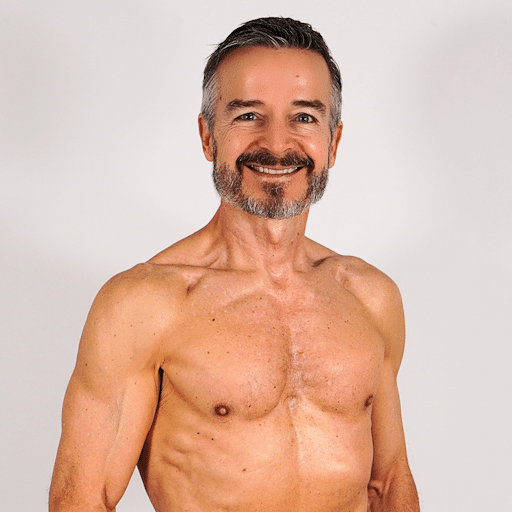
Welcome! This month, we’re diving into one of the most powerful keys to staying strong after 60: protein. You’ll learn why your needs increase with age, how to hit your daily targets, and simple strategies that make a real difference in strength, energy, and longevity. Small changes here can transform how you feel every single day. Enjoy your steak! Joe Burjoski (Age: 64) P.S. Don’t forget to download my brand new eBook, The Ripped Seniors Strength Program. |
Why You Need More Protein After 60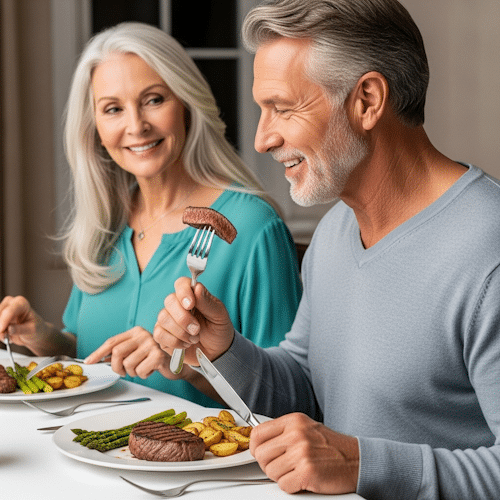
Most people assume you need less protein with age, but the opposite is true. After 60, your body becomes less efficient at turning the protein you eat into the muscle you need for strength, balance, and everyday energy. Scientists call this anabolic resistance, and it means your muscles need a stronger “signal” to grow and stay healthy. That signal comes from high-quality protein. When you don’t get enough, the body quietly loses muscle year after year, slowing your metabolism, reducing strength, and increasing the risk of falls. But when you give your muscles what they need, usually 30–40 grams of protein per meal, you can flip the switch back on. The benefits of higher protein intake after 60 are amazing: more strength, faster recovery, boosted immune system, improved metabolism and even longer health span. It’s one of the simplest, most powerful changes you can make to stay fit, active, and independent well into your 70s, 80s and beyond. If you want to dive deeper into the science of anabolic resistance and aging, here’s an excellent paper: Protein and Aging: Practicalities and Practice. |
Free! New Ebook Just Released! Here’S Exactly How I Stay Strong at 64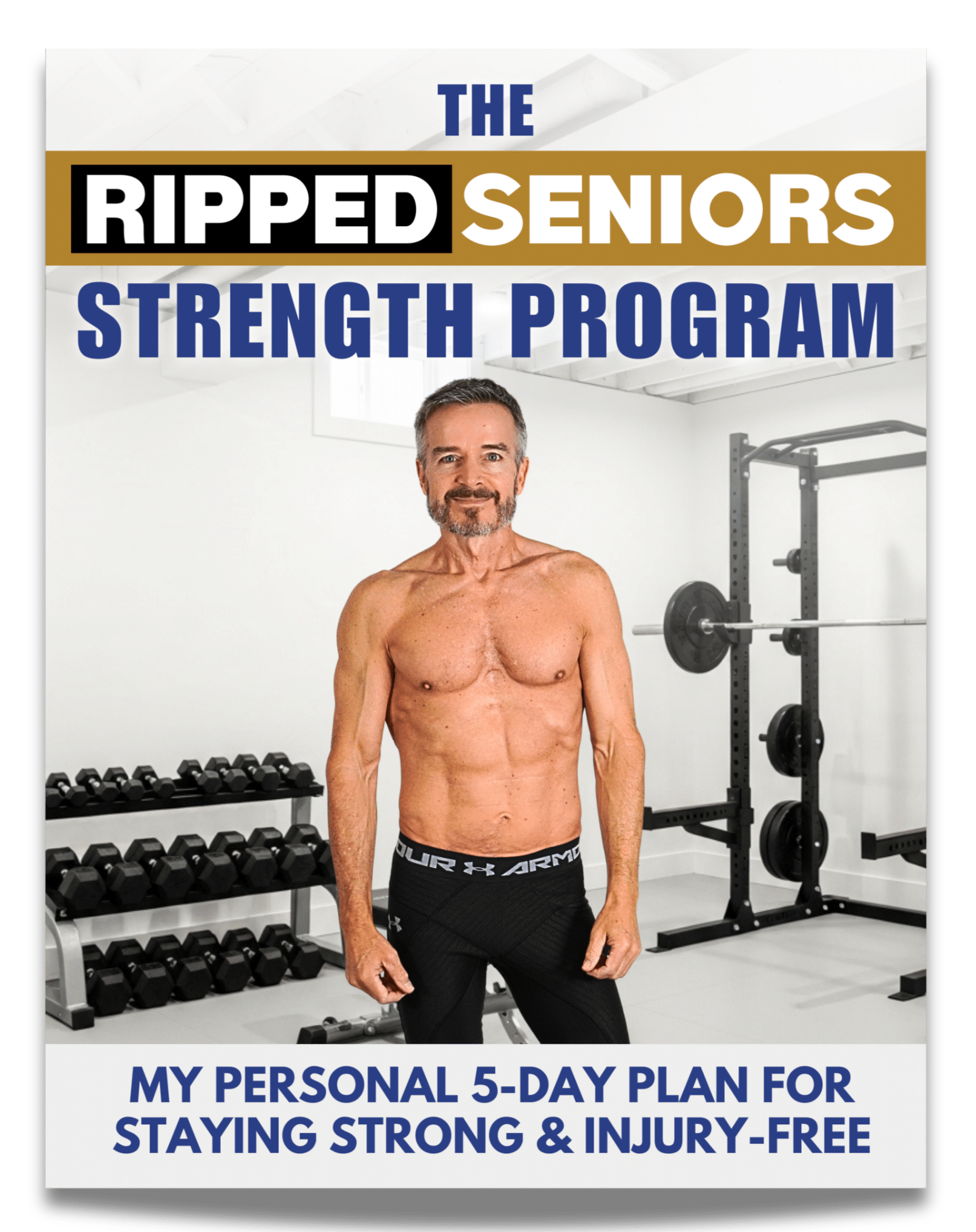
I’m excited to announce that my new eBook, The Ripped Seniors Strength Program, is officially available! This 5-day split is the exact personal blueprint I’ve refined over 20 years to stay strong, mobile, and most importantly, injury-free. It’s designed to balance hard work with the deep recovery our bodies need at this stage of life. If you want to know how I’m stronger in my mid-60s than I was in my 40s, click below to download your free 5-day plan today and make it your own!
|
Breakfast: How to Get Enough Protein
Hitting 30–40 grams of protein at breakfast is one of the biggest challenges for adults over 60, and you’re not alone if your breakfast doesn’t come close. Most classic breakfasts only deliver 6–12 grams of protein, which isn’t enough to fire up muscle development or keep your hunger under control. But understanding which breakfast foods actually carry the protein load makes it easier to hit the 30-gram minimum. Build your breakfast around protein anchors.
Start with these high-protein anchors, and you’ll hit your morning 30-gram goal and feel full for longer. For a deep dive into the importance of morning protein to muscle development, check out this study: Dietary Protein Distribution Positively Influences 24-h Muscle Protein Synthesis |
Should You Have a Protein Snack Before Bed?
If you’re over 60 and want to stay strong, the answer is almost always yes. We tend to focus on protein at breakfast and lunch, but your body does a huge amount of its repair work while you sleep. Without enough protein in your system at bedtime, your overnight muscle-building machinery can’t run at full power. A small, protein-rich snack before bed solves this. Slow-digesting proteins like casein, found in cottage cheese, release amino acids steadily for hours. One cup of low-fat cottage cheese provides nearly 28 grams of high-quality protein—enough to support nighttime recovery and help keep blood sugar stable. Another option is an egg-white omelette made with one cup of egg whites plus one whole egg, which gives you about 30 grams of complete protein. When I have a high-protein snack before bed, it helps me hit my daily intake goal, supports muscle maintenance, and I don’t wake up from hunger. Read this to find out more: Protein Ingestion before Sleep Increases Overnight Muscle Protein Synthesis |
Latest Videos From Ripped Seniors
|